Bit.Fan Crypto Academy

Learn Crypto with Bit.Fan Academy

From beginner to advanced — master exchanges, wallets and blockchain essentials

intangible%20asset

Is Bitcoin Tangible or Intangible?

Bitcoin is generally intangible, not a tangible asset. It exists as blockchain records and private-key control, though legal treatment can vary by context.

Is Bitcoin Tangible or Intangible?

What Companies Hold Bitcoin? A Practical Guide

What companies hold bitcoin? This guide explains who owns it, why they hold it, and how to verify holdings.

What Companies Hold Bitcoin? A Practical Guide

How to Buy Bitcoin in Africa in 2026: Real Rules, Exchanges, and Payment Methods by Country
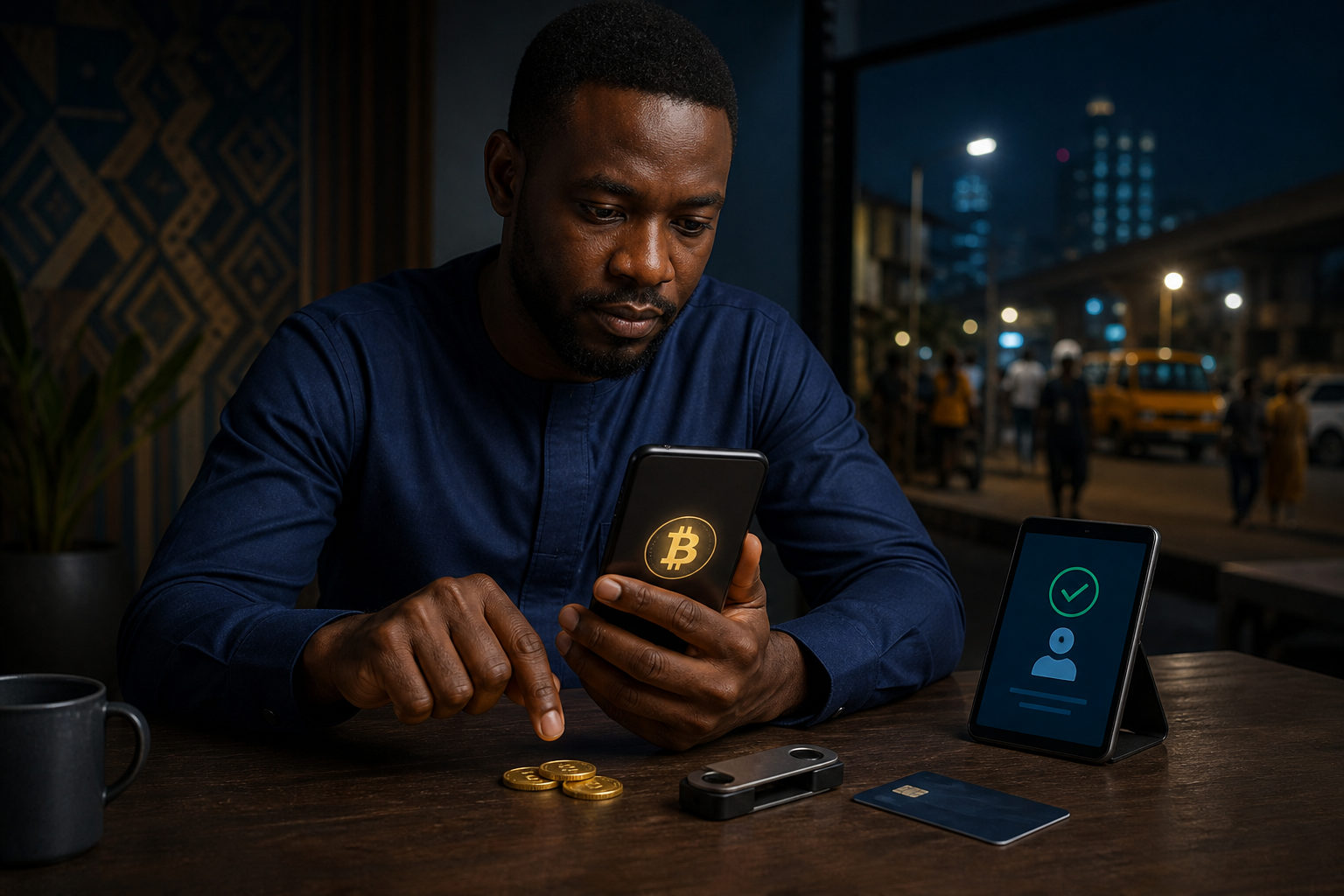
To buy bitcoin in Africa, first confirm your payment method and local rules, then use a trusted route, start small, and move coins to your own wallet.

How to Buy Bitcoin in Africa in 2026: Real Rules, Exchanges, and Payment Methods by Country

Does ASU 2026-08 Apply to Bitcoin?

Whether ASU 2026-08 applies to Bitcoin depends on scope, reporting framework, and why the company holds the asset.

Does ASU 2026-08 Apply to Bitcoin?

Is Bitcoin Tangible? What You Actually Own
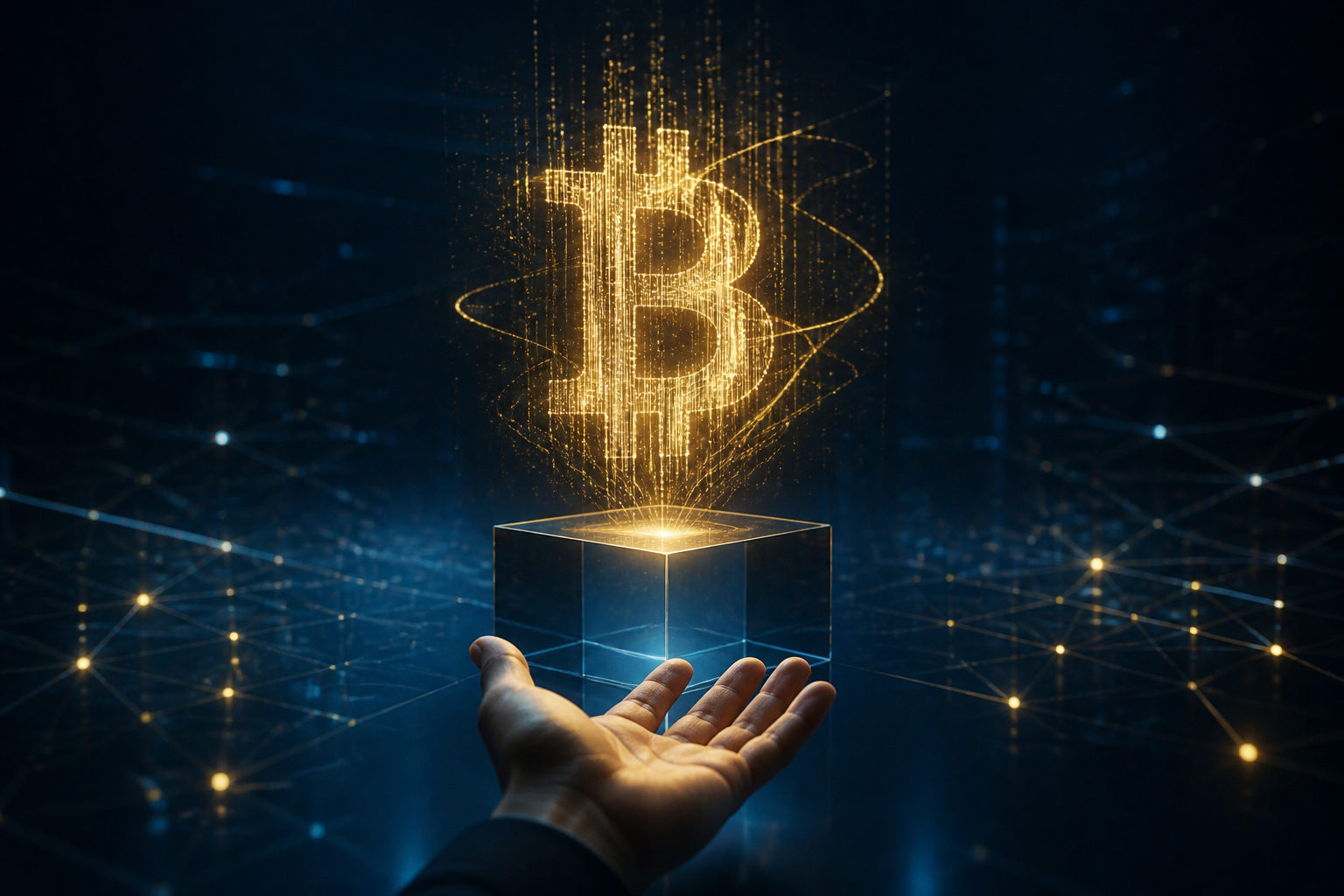
Bitcoin is not tangible. It is a digital record on a blockchain, and ownership comes from control of private keys, not possession of a physical object.

Is Bitcoin Tangible? What You Actually Own

How to Buy Bitcoin in Ghana in 2026: Real Rules, Real Platforms, and How to Avoid Getting Burned
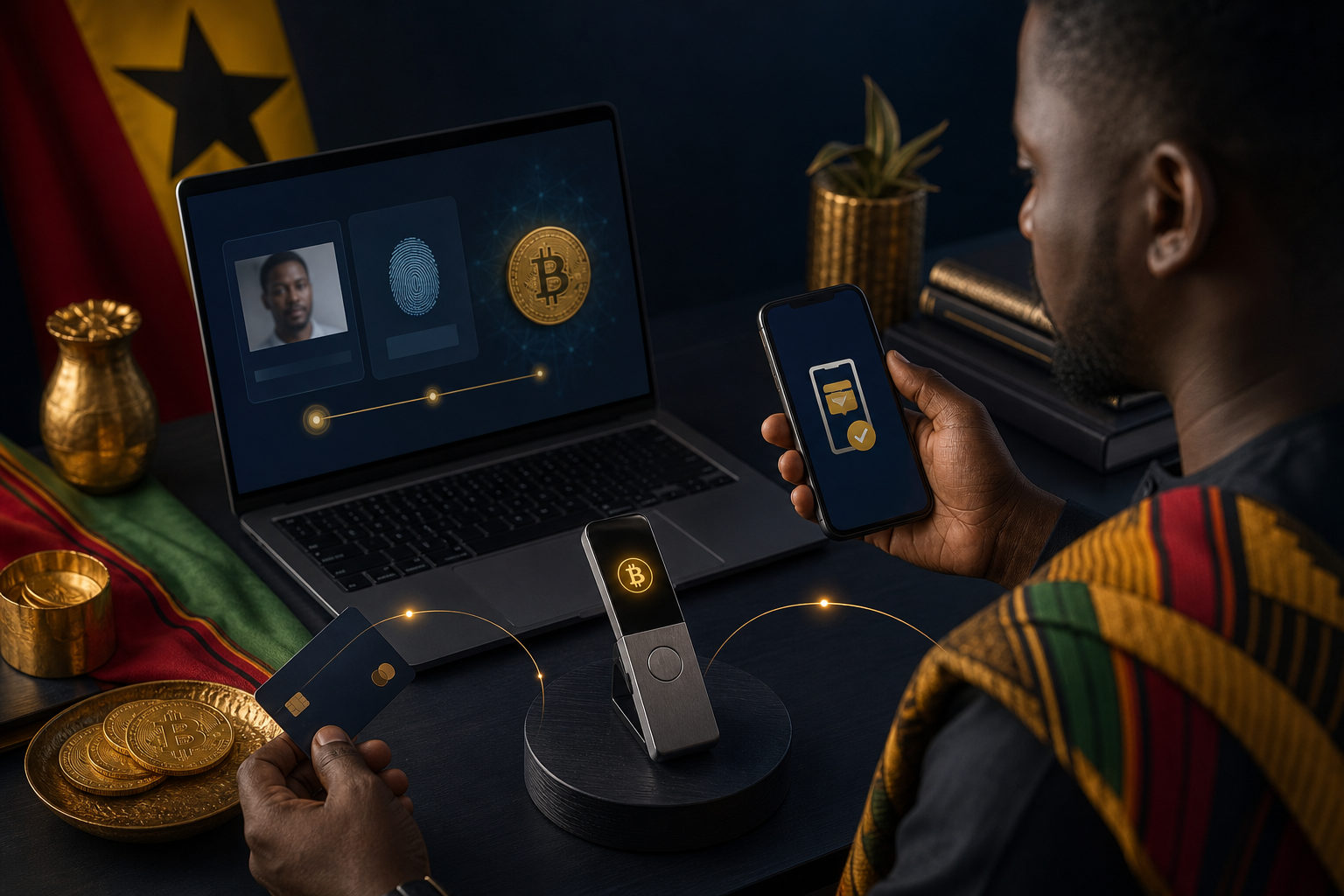
To buy bitcoin in Ghana, choose a clear trading channel, verify your account, test with a small purchase, and move BTC to your own wallet.

How to Buy Bitcoin in Ghana in 2026: Real Rules, Real Platforms, and How to Avoid Getting Burned

How to Buy Bitcoin in South Africa: A Practical 2026 Guide

To buy Bitcoin in South Africa, choose a trusted service, verify your account, fund it, test with a small buy, and move BTC to your own wallet.

How to Buy Bitcoin in South Africa: A Practical 2026 Guide

What Is Tokenization in Blockchain?

Tokenization is converting real-world assets or rights into digital tokens on a blockchain. These tokens represent ownership or a stake in the asset and can be easily traded or transferred within the blockchain ecosystem. This process is very important because it guarantees enhanced security, ensuring that ownership and transactions cannot be tampered with through blockchain technology. Tokenization also improves efficiency since it reduces costs and eliminates intermediaries, streamlining the transfer of assets. This process improves liquidity because tokenization enables fractional ownership, making traditionally illiquid assets like real estate or art accessible to a broader audience and easier to trade.

What Is Tokenization in Blockchain?